
Bangalore Real Estate Investment Guide 2026: Opportunities, Risks and Smart Buying Decisions
Explore Bangalore real estate investment in 2026. Learn how to assess locations, rental potential, property risks and long-term value.
DesiAcres Editorial · 5 November 2026 · 3 min read
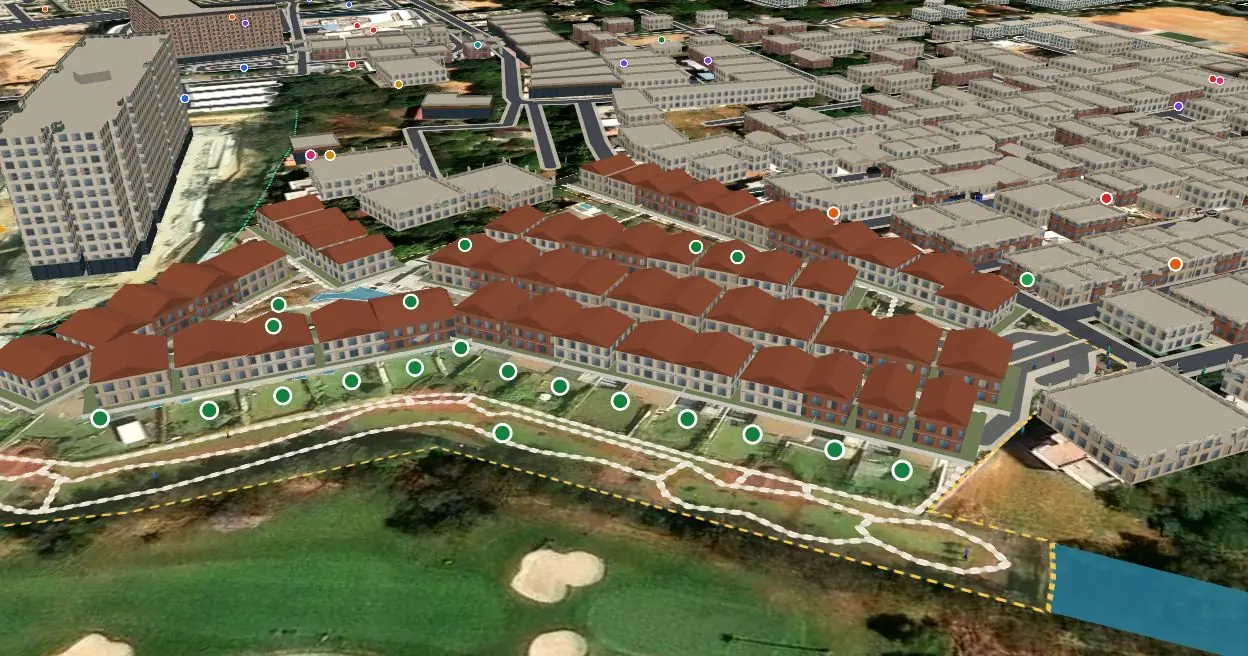
Bangalore remains an important Indian residential and commercial real estate market.
Its technology sector, employment centres, educational institutions and expanding urban infrastructure continue to influence housing demand.
However, investing successfully requires more than identifying a popular neighbourhood.
Different locations have different supply conditions, infrastructure constraints and price expectations.
Is Bangalore Real Estate a Good Investment in 2026?
Bangalore can offer opportunities for long-term property ownership, but investment performance varies considerably by location, property type and purchase price.
Investors should distinguish between established neighbourhoods, developing corridors and speculative locations.
A property near a major employment centre may have different rental characteristics from a plotted development on the city's outskirts.
Neither category guarantees appreciation.
Important Bangalore Real Estate Corridors to Research
Whitefield
Whitefield is an established residential and employment corridor with significant commercial activity.
Investors should evaluate property pricing, metro accessibility, competing apartment supply and project-specific quality. See flats for sale in Whitefield.
Sarjapur Road
Sarjapur Road attracts attention because of its connections to employment areas and residential development.
However, road capacity, water availability and location-specific infrastructure conditions require careful assessment.
Electronic City
Electronic City offers an established employment ecosystem and a range of residential property options.
Investors should compare commuting convenience, rental demand and the quality of individual developments.
North Bangalore and Devanahalli
North Bangalore attracts interest because of airport connectivity and ongoing development activity.
Investors should distinguish completed infrastructure from proposed projects and verify land-use permissions carefully.
Hebbal
Hebbal benefits from its position within Bangalore's northern urban network.
Property selection should account for traffic, pricing, building quality and the surrounding residential supply.
How to Evaluate a Property Investment
Calculate Gross Rental Yield
Gross rental yield provides a simple initial comparison.
For example:
- Property acquisition cost: ₹1 crore
- Monthly rent: ₹30,000
- Annual rent: ₹3,60,000
- Gross rental yield: 3.6%
This is a worked example of the formula, not a market forecast.
Net yield will be lower after accounting for applicable expenses, vacancies and other costs.
Understand Total Ownership Costs
Property investors should budget for:
- Acquisition taxes and registration
- Maintenance and repairs
- Property taxes
- Financing costs
- Vacancy periods
- Brokerage and transaction expenses
These factors influence actual investment returns. The stamp duty calculator covers the first of them.
Evaluate Future Supply
A neighbourhood with many upcoming residential developments may experience additional competition.
Investors should study existing inventory, proposed supply and the positioning of their selected property.
Check Legal and Regulatory Compliance
Verify the relevant project approvals, ownership documentation and RERA details where applicable.
Independent legal due diligence remains essential.
How Digital Property Intelligence Can Help
Conventional property research often involves switching between listings, maps, developer websites and government records.
Digital property intelligence tools aim to organise some of this information into a more understandable format.
DesiAcres combines an advisory-led approach with emerging spatial property exploration through DesiPropVERSE.
The goal is to help buyers understand property locations, identify questions requiring verification and make more informed comparisons.
Common Investment Mistakes
One common mistake is assuming that every property in a growing corridor will appreciate at the same rate.
Another is relying entirely on projected infrastructure without considering delivery uncertainty.
Investors should also avoid treating advertised rental yields or resale projections as guaranteed outcomes.
Frequently Asked Questions
Which area of Bangalore is best for property investment?
There is no universally best area. The answer depends on budget, investment horizon, rental requirements, risk tolerance and property type.
Is buying an apartment better than buying land?
Apartments and land have different liquidity, maintenance, regulatory and income characteristics. Investors should evaluate both against their objectives.
Should I invest near the Bangalore airport?
Airport proximity alone does not establish investment quality. Verify access, land use, infrastructure, pricing and surrounding demand.
Final Thoughts
Successful real estate investing begins with disciplined evaluation.
Rather than purchasing solely because a location is popular, investors should assess property-specific fundamentals and downside risks. Start with the 8 checks before buying and the Bangalore market overview.
Talk to an advisor about your plans.
Written by DesiAcres Editorial at DesiAcres Advisory Group, a Bengaluru buyer-side property advisory. General information, not legal or investment advice.
Run it through the free 15-point check, price vs comparables, red flags and a clear verdict.
Check a property →